
Picture a Tuesday morning. You are standing at a rental car counter, tired from the flight, and the agent asks for a card. You hand over your debit card because that is what fell out of your wallet first. The agent taps a few keys and says the hold will be $500. Just like that, $500 of your actual money is frozen for a week, sometimes longer.
Now run the same scene with a credit card. The $500 hold lands on the card instead, your checking account never flinches, and your rent money stays where it belongs. Same transaction, completely different exposure.
That gap is the whole conversation. Credit and debit both live in the same slot on the machine, but they pull from different places and they protect you very differently. Knowing which one to reach for is one of the quietest money skills there is, and almost nobody teaches it.
What actually happens when you swipe each one
A debit card is a straw into your checking account. When you pay, the money leaves your balance almost immediately. There is no lender involved, no bill later, just your own cash moving out.
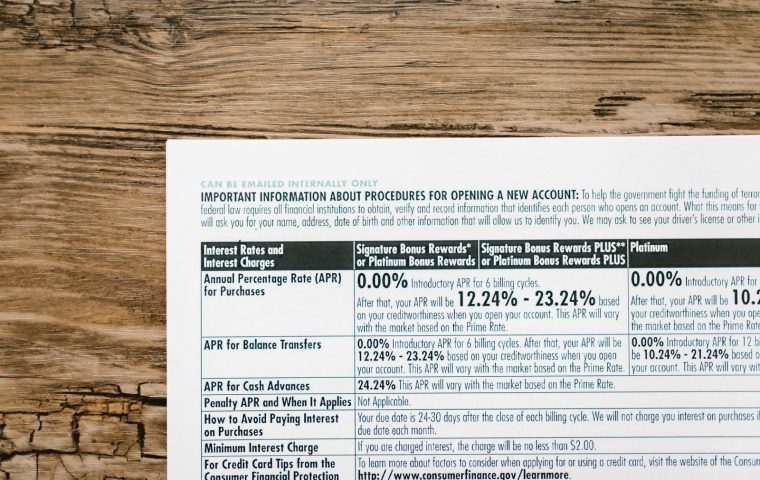
A credit card is a short-term loan from the issuer. You spend their money now, and you get a statement at the end of the cycle. Pay it in full by the due date and you owe nothing extra. Carry a balance, and interest starts stacking up fast.
That single difference, whose money is on the line, drives almost every decision below. When you use your own cash, a mistake hits your balance today. When you use the bank's cash, you get a buffer of time and a layer of legal protection sitting between you and the merchant.
Where credit cards genuinely win
Fraud protection is the big one. If someone drains a stolen credit card number, you dispute the charge and the money was never yours to begin with. Your rent clears, your utilities clear, your life keeps moving while the issuer sorts it out.
Debit fraud works in reverse. The thief takes real dollars out of your account first, and you have to fight to get them back. Federal rules cap your liability, but only if you report quickly, and in the meantime your balance is short.
Credit also builds your credit history, which debit never does. Every on-time payment gets reported to the bureaus and slowly lifts your score. That score decides your mortgage rate, your car loan, sometimes your apartment application.
A debit card cannot help or hurt your credit score, because nothing about it is reported to the credit bureaus. If you are trying to build credit from scratch, a debit card is invisible to the system that decides your future rates.
There is also the matter of rewards and purchase perks. Many credit cards return 1% to 2% on spending, and some add extended warranties or trip protection. Debit rewards exist but they are usually thinner and easier to lose.
Where debit cards earn their keep
Debit shines at the thing credit is worst at, which is keeping you honest. You cannot spend money you do not have. When the account hits zero, the card stops working, and for a lot of people that hard wall is worth more than any cashback.
Cash access is cleaner too. Pull twenty dollars from an ATM with a debit card and it is just your money coming out. Do the same with a credit card and it counts as a cash advance, which usually means a fee plus interest that starts the second you withdraw.
Debit also sidesteps the debt trap entirely. There is no statement to forget, no minimum payment, no interest rate quietly compounding. For anyone who has ever watched a balance snowball, that simplicity is a feature, not a limitation.
The side-by-side
Here is the comparison in one view. Read it as tendencies, not absolutes, because specific cards and banks vary.
| Feature | Credit Card | Debit Card |
|---|---|---|
| Whose money | The issuer's, billed later | Yours, gone immediately |
| Fraud exposure | Low, funds never leave your account | Higher, real cash is pulled first |
| Builds credit score | Yes, if paid on time | No, not reported |
| Overspending risk | High, limit sits above your cash | Low, capped at your balance |
| Rewards | Often 1% to 2% or more | Usually minimal |
| Interest if carried | Yes, and it adds up fast | None |
| ATM cash | Cash advance, fees apply | Free at your bank's ATMs |
The traps that catch people
The credit card trap is spending the limit like it is income. A $5,000 limit is not $5,000 you have, it is $5,000 you can borrow. Treat it as free money and the interest will find you.
Keeping balances high also drags on your score through your credit utilization, which is the share of your available limit you are using at any moment. Running most cards near their ceilings signals risk to lenders even when you pay on time. Most people aim to keep that ratio well under 30%.
The debit trap is different but just as expensive. Spend past your balance and your bank may cover it and charge you for the privilege. Those charges are the whole subject of overdraft fees explained, and a single one can cost more than a nice dinner.
You do not have to pick a side
Most people who handle money well use both on purpose. Debit for the day-to-day where discipline matters, credit for the big, fraud-prone, or reward-worthy stuff, all of it paid off monthly.
If you are wondering how many cards to carry, the honest answer is however many you can pay in full without losing track. One well-managed credit card plus your debit card is plenty for most people starting out.
The skill is not owning the right card, it is knowing which one the moment calls for. Rental counter, hotel hold, online store you have never heard of? Credit. Weekly grocery run when you are watching your budget? Debit. The choice takes half a second once the logic is second nature.
Fast rule of thumb: reach for credit when you want protection, rewards, or credit-building and you can pay it off. Reach for debit when you want a hard spending limit, cheap cash access, and zero chance of interest. Never treat a credit limit as money you own.
Does using a debit card ever help my credit score?
No. Debit activity is not reported to the credit bureaus, so it cannot raise or lower your score. Only credit accounts, like credit cards and loans, feed the scoring system.
Is it safe to use a debit card for online shopping?
It works, but it carries more risk. If the number is stolen, a thief pulls real cash from your account and you have to claw it back. A credit card keeps that fight off your actual balance, which is why many people reserve it for unfamiliar sites.
Should I close my credit card if I am worried about overspending?
Not necessarily. Closing a card can lower your available limit and nudge your utilization up, which may ding your score. A calmer fix is to lock the card in your banking app and lean on debit until you trust yourself with it again.
Neither card is the hero or the villain here. They are tools built for different jobs, and the people who stay out of trouble are just the ones who match the tool to the task. Start paying attention to which card you pull out and why, and within a month it stops being a decision at all. As always, run your own numbers and check with a licensed pro before any big money move.