
A few years back, a friend watched a burst pipe in the upstairs unit flood his rented apartment. The landlord's insurance handled the building. It did nothing for his soaked couch, his laptop, or the three nights in a hotel. He had skipped renters insurance to save about $15 a month. That decision cost him close to $4,000.
That story sits at the heart of one of the most common money mix-ups I saw as a broker. People assume "insurance on the place I live" is one product. It is not. Home insurance and renters insurance protect very different things, and which you need comes down to one question: do you own the walls, or just live inside them?
The core split: structure versus stuff
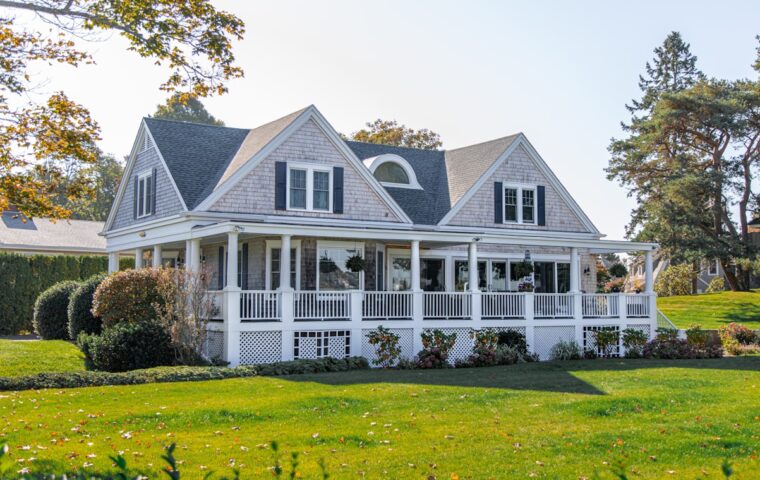
Here is the cleanest way to think about it. A homeowners policy (often called HO-3) covers two buckets a renters policy does not: the physical structure of your home and the land it sits on. If a tree crashes through your roof, homeowners insurance pays to rebuild it. Renters insurance never touches the building. That is the landlord's policy, not yours.
What both policies share is coverage for your personal belongings and your personal liability. Furniture, clothes, electronics, and dishes are covered under both, and if a guest slips on your floor and sues, both help with the bills. The difference is not about your stuff. It is about who pays to fix the actual building.
Own the structure, buy homeowners. Rent the structure, buy renters. Personal property and liability protection ride along with either one, but only homeowners rebuilds the walls.
What each policy actually covers
A standard homeowners policy bundles several coverages: dwelling coverage for the house, other-structures coverage for a detached garage or fence, personal property, loss-of-use coverage if you live elsewhere during repairs, and liability. No mortgage company will let you close without proof of it, because the house is their collateral too.
Renters insurance (the HO-4 form) strips out the dwelling piece and keeps the rest: personal property, liability, and loss of use. That last one matters more than people realize. If your building becomes unlivable after a covered fire, loss-of-use coverage pays for a hotel and meals while you are displaced, all for the price of a couple of coffees a month.
The perils both policies name
Both typically cover the same named risks: fire, theft, vandalism, windstorm, and water damage from a burst pipe. Neither standard policy covers flooding from rising water or earthquake damage, which require add-on policies worth pricing out in flood-prone or quake-prone states. This is one of the common insurance mistakes that cost you money: assuming "water damage" on your policy includes a flooded street, when it almost never does.
The price gap is bigger than most people expect
This is where the two products really separate. Renters insurance is one of the best-value products in personal finance: a typical policy runs around $12 to $25 a month for tens of thousands of dollars in coverage. Homeowners insurance is a different animal, frequently $1,200 to $2,500 a year depending on your state, rebuild cost, and claims history. One has to rebuild an entire structure from the foundation up; the other only replaces your belongings and covers liability. Smaller dollar figure, smaller premium.
On either policy, choose "replacement cost" coverage for personal property, not "actual cash value." Actual cash value subtracts depreciation, so a five-year-old TV might pay out $150 instead of the $600 a new one costs. Replacement cost pays what it takes to buy new, usually for only a few dollars more in premium. It is one of the most worthwhile upgrades on the form.
Side by side: how the two stack up
| Criteria | Homeowners (HO-3) | Renters (HO-4) |
|---|---|---|
| Typical cost | $1,200 to $2,500+ per year | $12 to $25 per month |
| Covers the building structure | Yes | No (landlord's job) |
| Covers your belongings | Yes | Yes |
| Covers personal liability | Yes | Yes |
| Pays for temporary housing | Yes (loss of use) | Yes (loss of use) |
| Required by lender or landlord | Required by mortgage lender | Often required by landlord |
| Typical deductible | $500 to $2,500 | $250 to $1,000 |
| Best suited for | Anyone who owns the home | Anyone who rents the home |
Notice the deductible row. On both policies, raising your deductible lowers your premium. If you have a solid emergency fund, a higher deductible can be a smart trade; if you would struggle to cover a $1,000 surprise, keep it low. The right deductible depends on your savings cushion, not a one-size rule.
The gaps that quietly bite people
A few coverage holes show up again and again, worth knowing before a claim, not after.
Sub-limits on valuables. Both policies cap certain categories. Jewelry, watches, firearms, and cash often carry a special limit, sometimes as low as $1,500 total, even when your overall coverage is $50,000. If you own an engagement ring worth more, you need a "scheduled personal property" rider for the full value.
Underinsuring the rebuild. On the homeowners side, your dwelling coverage should reflect the cost to rebuild, which is not the market price or what you paid. Being underinsured can trigger a penalty that cuts your payout, so review the rebuild figure every couple of years.
Homeowners insurance does not cover your car (that is auto insurance), nor the gap between what you owe on a financed asset and what it is worth if totaled. If you finance a high-value purchase, read up on what gap insurance is and when it saves you. It is a separate concept from the property coverage here.
Letting the policy lapse to save cash. A renters policy is so cheap that skipping it is almost never a real saving. The smarter move is to make the premium automatic so it never lands as a forgettable bill. The same logic that powers a good emergency fund applies here, and if you want a framework, here is how to automate your savings so you never forget. Put the premium on autopay and you remove the chance of an accidental lapse.
Which one wins for whom
This is the easy part, because the answer follows ownership, not preference. If you hold a mortgage or own your home outright, you need homeowners insurance. It is not optional with a loan, and going without it once the loan is paid off is a serious gamble with your largest asset. For an owner, "renters insurance is enough" does not exist, because it leaves the structure uncovered.
If you rent, renters insurance is the clear winner and a near-automatic buy: a few dollars a month against thousands in belongings plus liability. Condo owners are a special case, often needing an HO-6 policy that covers the interior and belongings while the association's master policy handles the structure.
Owners need homeowners (or HO-6 for condos). Renters need renters. Nobody who lives somewhere should carry zero personal property and liability coverage, because both policies make protecting your belongings and shielding yourself from a lawsuit cheap.
When you shop, get quotes from a few well-known national insurers and at least one regional carrier, and compare coverage limits and deductibles, not just the headline price. A licensed insurance agent can walk you through riders for valuables or flood coverage. The right policy depends on your home, your state, and what you own, so treat these as the rules of the game rather than a verdict on your exact case.
Does my landlord's insurance cover my belongings?
No. Your landlord's policy covers the building structure, not your furniture, electronics, or clothes. If a fire or burst pipe destroys your belongings, only your own renters insurance pays to replace them. That gap is exactly why renters insurance exists.
Can I switch from renters to homeowners insurance when I buy a house?
You do not switch so much as replace one with the other. When you close, your mortgage lender requires homeowners insurance in place before the loan funds. You cancel the renters policy once you move out, and the homeowners policy takes over with its added dwelling coverage.
Do either of these policies cover flood damage?
Not the standard versions. Both exclude flooding from rising water, which requires a separate flood policy (often through the federal program or a private insurer). Water damage from a burst pipe is usually covered, but a flooded street or overflowing river is not.
These two products are not rivals competing for the same buyer. They are two halves of the same idea, sorted by whether you own the structure. Figure out which side of that line you stand on, pick the matching policy, choose replacement cost, and set it on autopay. For the bigger calls, a licensed agent is worth a fifteen-minute conversation.