

Picture two people with the exact same mess: $18,000 spread across four credit cards and a personal loan, interest rates running from 6.5% to 26.9%, and about $600 a month they can throw at it above the minimums. Same income, same debt, same willpower. One picks the snowball method and the other picks the avalanche. A year later, one of them has paid off two whole accounts and feels unstoppable. The other has paid less in interest but still stares at the same five balances every month.
That is the real tension between these two methods. Both will get you out of debt. Both are far better than the "pay a little extra wherever it feels right" approach most people drift into. But they optimize for different things, and picking the wrong one for your personality can cost you the one resource you cannot refund: momentum.
Let me walk through how each one actually works, what the math really costs, and how to figure out which one fits the person you are, not the person a spreadsheet wishes you were.
What each method actually tells you to do
Both methods start the same way. You list every debt, you keep paying the minimum on all of them so nothing goes delinquent, and you take every spare dollar and aim it at one target account until it is gone. Then you roll that freed-up payment onto the next target. The only difference is how you rank the targets.
The debt snowball orders your debts from the smallest balance to the largest, ignoring interest rates entirely. You attack the tiny balance first. When it dies, you take everything you were paying on it and pile it onto the next-smallest. Balances disappear quickly at the start, which is the whole point.
The debt avalanche orders your debts from the highest interest rate to the lowest, ignoring balances. You attack the 26.9% card first because that is the one bleeding you, then move down the rate ladder. Mathematically, this is the cheapest possible way to retire debt with a fixed monthly budget.
Never miss a minimum payment on the accounts you are not targeting. A single 30-day late mark can knock real points off your score and trigger a penalty APR. The extra money goes to your target; the minimums protect everything else.
The real cost difference, in dollars
Here is where people get talked into avalanche by pure math and then quietly abandon it three months in. So let me be honest about the size of the gap.
On a typical $18,000 mix like the one above, the avalanche usually saves somewhere in the range of a few hundred to maybe a thousand dollars in total interest compared with the snowball, and often shaves a month or two off the timeline. On smaller debt loads, say $6,000 spread thin, the difference can shrink to under a hundred dollars and a single billing cycle. The bigger your balances and the wider the spread between your highest and lowest rates, the more avalanche pulls ahead.
That is a real number and it is not nothing. But notice what it is not: it is rarely the difference between escaping debt and drowning. The method that actually gets finished beats the mathematically perfect method you quit. Behavioral researchers and plenty of working debt coaches have noticed the same thing, that people who knock out a small balance early are more likely to stick with the plan. I have watched it happen too many times to dismiss it.
A side-by-side on the criteria that matter
Total interest is only one axis. Here is how the two stack up on the things you will actually feel month to month.
| Criteria | Debt Snowball | Debt Avalanche |
|---|---|---|
| How debts are ranked | Smallest balance first | Highest interest rate first |
| Total interest paid | Higher (you may carry the costly balance longer) | Lowest possible for your budget |
| Time to debt-free | Usually a little slower | Usually a little faster |
| Early wins | Fast, frequent, motivating | Can be slow if your worst rate sits on a big balance |
| Risk of quitting | Lower for most people | Higher if motivation fades |
| Flexibility | High, easy to follow without a spreadsheet | High, but rewards tracking the numbers |
| Best suited to | People who need visible progress to stay in the game | Disciplined people focused on the lowest cost |
Read that table honestly and you will notice neither column is all green. Snowball trades money for motivation. Avalanche trades motivation for money. Your job is to know which currency you are short on.
A hybrid most coaches will not admit they use
The methods are usually sold as a rigid either-or, but real life is messier and you are allowed to blend them. A few moves I have seen work well:
- Snowball the first one, avalanche the rest. Kill one tiny balance for the psychological win, then switch to attacking by interest rate. You get an early victory and most of the cost savings.
- Avalanche, but break ties by balance. If two debts sit at nearly the same rate, knock out the smaller one first to clear an account off the list.
- Pause and chase a 0% balance transfer. If your credit qualifies, moving a high-rate balance to a card with a long 0% intro window can beat both methods, as long as you respect the transfer fee (commonly 3% to 5%) and have a real plan to clear it before the promo APR ends.
Before you do any of this, it helps to know exactly what you are working with. Pull your reports and confirm every balance and rate is correct, because errors are more common than people think. Here is how to check your credit report for free so your debt list reflects reality and not a year-old statement.
Build a simple list of every debt with its balance, APR, and minimum. Sort it two ways: by balance and by rate. If the avalanche saves you less than a couple hundred dollars over the whole payoff, just pick snowball and enjoy the momentum. Re-optimizing every month is how people burn energy they could have spent paying the debt down.
Where these methods quietly fail
Both plans assume one thing that is often not true: that no new debt is coming. If a $900 car repair or a surprise medical bill lands mid-plan and you have no cash for it, that expense goes straight back onto a card and your progress stalls. This is the trap I see wreck more payoff plans than any wrong-method choice.
The fix is to carry a small starter emergency fund, often $1,000 to one month of expenses, before you go all-in on extra debt payments, and to plan for the irregular costs you can actually predict. Insurance deductibles, car registration, the annual vet visit, holiday spending, all of it is foreseeable. Setting aside a little each month for those is the difference between a bump and a relapse. If that idea is new to you, sinking funds, the trick to never being caught off guard, is the cleanest way to budget for the costs you know are coming.
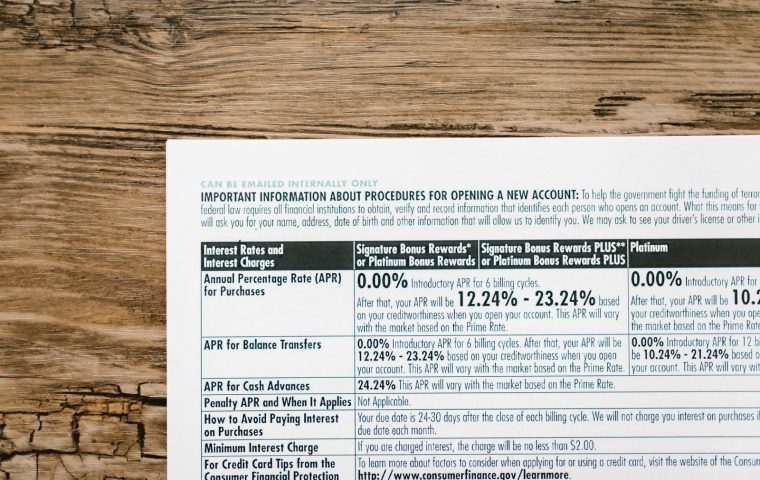
The other failure point is rate, not method. If your cards are sitting at 24% or higher, neither method moves fast because interest keeps refilling the hole. Lowering the rate matters as much as the order you pay. A deeper walkthrough of that lives in how to pay off credit card debt for good, including when a consolidation loan or hardship program actually makes sense and when it just hides the problem.
So which one wins, and for whom
Here is my honest verdict after watching both play out.
Choose the avalanche if you are genuinely motivated by the numbers, you will not lose steam staring at the same balance for eight months, and your highest rates sit on balances large enough that the interest savings are real. If you are disciplined and want to pay the least, it is the better tool. Full stop.
Choose the snowball if you have started and quit a payoff plan before, if you need to see accounts actually close to believe it is working, or if your debts are similar enough in rate that the cost difference is trivial. For most people who have struggled to stay consistent, the snowball is the one that gets finished, and a finished plan beats a perfect one.
These are repayment strategies, not a cure for overspending. If you pay off a card and let it creep back up, you have not solved anything. Pair whichever method you choose with a budget that actually tracks where the money goes, or you will be reading this article again next year.
And remember this is general education, not a plan built for your exact situation. The right call depends on your income, your rates, your state, and your temperament. If your debt load is large or tangled with tax issues, a non-profit credit counselor or a fee-only financial advisor can be worth the conversation.
Does either method hurt my credit score?
No, paying down debt helps your score over time, mainly by lowering your credit utilization. Just keep paying every minimum on time, since payment history is the biggest factor. Closing a card after you pay it off can actually nudge utilization up, so many people keep the account open with no balance.
Should I pay off debt or build savings first?
For most people the answer is a little of both. Keep a small starter emergency fund of around $1,000 to one month of expenses so a surprise bill does not land back on a card, then pour the rest into your payoff. Once high-rate debt is gone, shift that freed-up money toward a fuller emergency fund and retirement.
What if my smallest balance also has the highest interest rate?
Then you are lucky, because both methods point at the same target and you can attack it with zero second-guessing. When the rankings agree, the snowball-versus-avalanche debate disappears entirely and you just start.
Pick the method you will actually follow through December, list your debts tonight, and aim every spare dollar at one of them. The order matters less than the consistency. Whichever path you take, the day you send that final payment will feel exactly the same, and that is the only result either method is really promising.